

How Much Ammo Should You Keep on Hand? The Practical Math
2026-09-02 by Brass Kisses
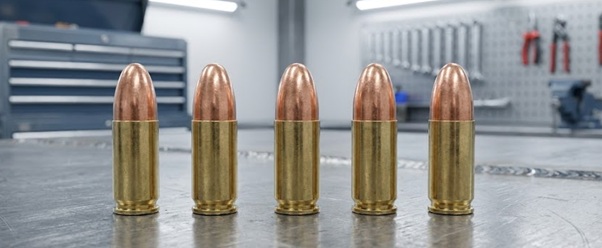
Type this question into a search bar and you'll get two kinds of answers: doomsday spreadsheets telling you to bury 10,000 rounds per caliber, and shrugs. Neither helps you. The honest answer is that the right number isn't a number at all - it's a formula built on how you actually shoot. Here's the practical math, without the bunker fantasy.
Start with how you shoot, not how you worry
Your on-hand supply exists to do one job: keep you shooting on your schedule, at a price you chose, no matter what the market is doing this month. So work backward from your habits.
Range and training ammo. Count your real monthly round count - not the aspirational one. A shooter who burns 200 rounds of 9mm a month at the range is served well by a three-to-six-month cushion: 600 to 1,200 rounds on hand. An AR owner running 150-300 rounds of 5.56 a month lands in the same three-to-six-month logic. The cushion is the point: it means you buy when prices are good, not when the range trip is tomorrow.
Defensive ammo. This one is small and fixed. A few boxes of your chosen defensive load is plenty - but only after you've run enough of that exact load through your gun to trust it. A common-sense benchmark is 100-200 rounds of your defensive load fired through your firearm without a hiccup before you rely on it, then two or three boxes kept fresh. Defensive ammo is a reliability purchase, not a volume purchase.
Hunting ammo. A box or two per rifle per season covers sight-in plus the field, with room to re-zero after a scope knock. Buy the same lot when you can - consistency matters more than quantity here.
The cushion is really a price strategy
Ammo prices move - sometimes fast. Anyone who shopped during the last few crunches knows the difference between buying 9mm at a normal bulk price and paying panic-market prices for the same round. A three-to-six-month cushion converts you from a panic buyer into a patient one. When bulk pricing on 5.56x45 NATO or 300 AAC Blackout looks right, you top up. When it doesn't, you shoot from the shelf and wait. That's the whole strategy, and it beats every stockpile spreadsheet on the internet.
Volume training is also where remanufactured ammo earns its keep: quality reman built on once-fired brass trims the cost per round on high-volume calibers, which either lowers your budget or raises your round count - your call. We've laid out the honest trade-offs in our remanufactured vs factory-new comparison if you're deciding where each belongs.
Depth beats variety
The most common planning mistake isn't buying too little - it's buying shallow. Two hundred rounds spread across five calibers is five problems; a thousand rounds of the one caliber you actually train with is a solution. Consolidate around the calibers you shoot most, then build depth there. If you're deciding where to concentrate, our rundown of the best calibers for buying bulk is the place to start - and if 9mm is your volume caliber, avoid the classic bulk 9mm buying mistakes while you're at it.
Stored right, rotated always
An on-hand supply is only an asset if every round still goes bang. Cool, dry, dark, and sealed - the full setup is in our long-term ammo storage guide - and rotation keeps it honest: first in, first out. Shoot your oldest boxes at the range and put the new case at the back of the shelf. Your training ammo cycles naturally; your defensive boxes get refreshed roughly once a year, and the outgoing rounds become range fodder that doubles as a function check.
Store it securely, too: locked, dry, and out of reach of kids and anyone else who shouldn't have access. And a handful of jurisdictions regulate ammunition storage or quantities - know the rules where you live.
The quick answer, if you want one
For a typical recreational shooter: three to six months of your real training volume in your primary caliber, 100-200 rounds of vetted defensive ammo plus a few fresh boxes, and a season's worth per hunting rifle. Build depth in the calibers you actually shoot, buy bulk when the price is right instead of when the shelf is empty, and rotate. That's not a stockpile - that's just being squared away.