

Is 300 Blackout 220 Grain Good for Hunting?
Quick Overview: This blog explains if 220 grain .300 Blackout is good for hunting. It covers real use cases, performance limits, recoil feel, and range suitability. Readers also learn when to use 300 blackout 220 grain ammo for best results. It helps hunters understand close-range effectiveness and avoid common mistakes in the field.
A 220-grain bullet in .300 Blackout often sparks debate among hunters. Some love its quiet performance in suppressed setups. Others question its stopping power on game. Many shooters first try AAC 300 blackout ammo 220 grain because it is widely used for heavy subsonic loads in controlled hunting situations. The big question is simple. Does it really work well in the field?
Most discussions around 300 blackout 220 grain ammo focus on energy, range limits, and target size. The truth depends on how and where you plan to hunt. This round behaves very differently from lighter supersonic loads.
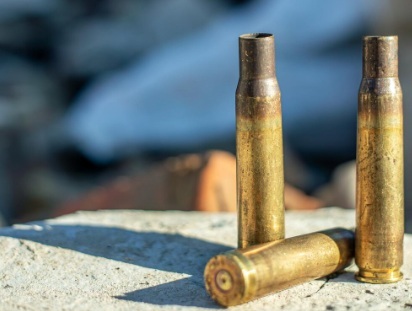
What 220 Grain Actually Means
The 220 grain bullet is a heavy subsonic load. It travels slower than standard rifle rounds. Instead of speed, it relies on weight to deliver impact.
This setup is often used with suppressors. That makes it quieter and smoother to shoot. But it also changes how far and how effectively it performs.
Best Use Case: Close-Range Hunting
This round works best at short distances. Think thick woods or low-visibility areas where animals are closer.
Key points:
- Strong impact at close range
- Lower noise with subsonic load
- Better control in short shooting windows
It is not designed for long-range shots. The energy drops faster compared to lighter, faster bullets.
Performance On Game
The 220 grain load can perform well on medium-sized game at close range when placed correctly. Shot placement matters more than raw power here.
Hunters often use it for:
- Deer in wooded areas
- Hog control in brush-heavy land
- Night hunting with suppressors
Because it moves slower, it relies on careful aiming. It is not forgiving for long-distance errors.
Range Limitation You Should Know
This is where many beginners get confused. The 220 grain bullet is not a long-range option.
After a certain distance:
- Bullet drop increases quickly
- Energy reduces faster
- Accuracy becomes harder to manage
Most hunters keep it within short to moderate range for best results. Stretching it too far reduces effectiveness.
Recoil And Shooting Feel
One reason shooters like this load is the smooth feel. The recoil is softer compared to many supersonic rounds.
It helps with:
- Better follow-up shots
- Less shoulder fatigue
- Easier control in fast hunting situations
This makes it a good option for controlled environments where quick reactions matter.
When It Works Best
The 220 grain setup is ideal when:
- You hunt in dense areas
- You use a suppressor
- You prefer quieter shooting
- You stay within close range
It is not built for open fields or long-distance hunting.
Ammo Consistency Matters
Heavy subsonic rounds need consistency. Even small changes in load quality can affect grouping and drop. Many shooters prefer trusted sources for stable performance. Options like AAC 300 blackout ammo 220 grain are commonly chosen for reliable cycling and steady results during hunting practice and field use.
Brass Kisses support shooters who want dependable range and hunting-ready ammo choices, helping maintain consistency during training sessions before real hunts.
Common Mistakes Hunters Make
New users often:
- Expect long-range performance
- Ignore bullet drop at distance
- Use it like a standard rifle round
- Skip practice with the same load
These mistakes lead to missed shots and poor results in the field.
Is It Good For Hunting? Simple Answer
Yes, but with limits. The 220 grain .300 Blackout works well for close-range hunting in controlled environments. It is not a long-range hunting round. When used in the right conditions, 300 blackout 220 grain ammo can be effective, quiet, and easy to manage. But it demands smart distance control and good shot placement.
Hunt Smarter with the Right Setup
The 220 grain .300 Blackout is not a general-purpose round. It is built for close-range control where quiet shooting and steady impact matter more than raw speed. In the right setup, it feels smooth, predictable, and effective.
But the key is understanding its limits. Stretch it too far, and performance drops quickly. Keep it within its comfort zone, and it becomes a dependable tool in the field.
For hunters who want consistent results and steady practice before heading out, Brass Kisses provides reliable ammo options that support repeatable training. Visit Brass Kisses now and choose ammo that keeps every shot consistent and field-ready.
FAQs
-
Is 300 Blackout 220 grain good for hunting?
Yes, it works well for close-range hunting. It offers quiet shooting and strong impact at short distance when used with proper shot placement.
-
How far can 300 Blackout 220 grain ammo be effective?
300 blackout 220 grain ammo is most effective at close range. Beyond that, bullet drop increases and accuracy reduces, making long shots less reliable.
-
What animals can 220 grain 300 Blackout handle?
It is suitable for medium game like deer or hogs at close range. Proper shot placement is important for clean and ethical results.
-
Does 220 grain ammo have more recoil?
It has mild recoil compared to many rifle rounds. However, recoil control depends more on shooter stance, grip, and shooting technique.
5. Can 220 grain 300 Blackout be used for long-range shooting?
No, it is not ideal for long-range use. The bullet drops faster and loses energy, making accuracy less reliable at extended distances.